Home Inspection Timeline: What You Need to Know
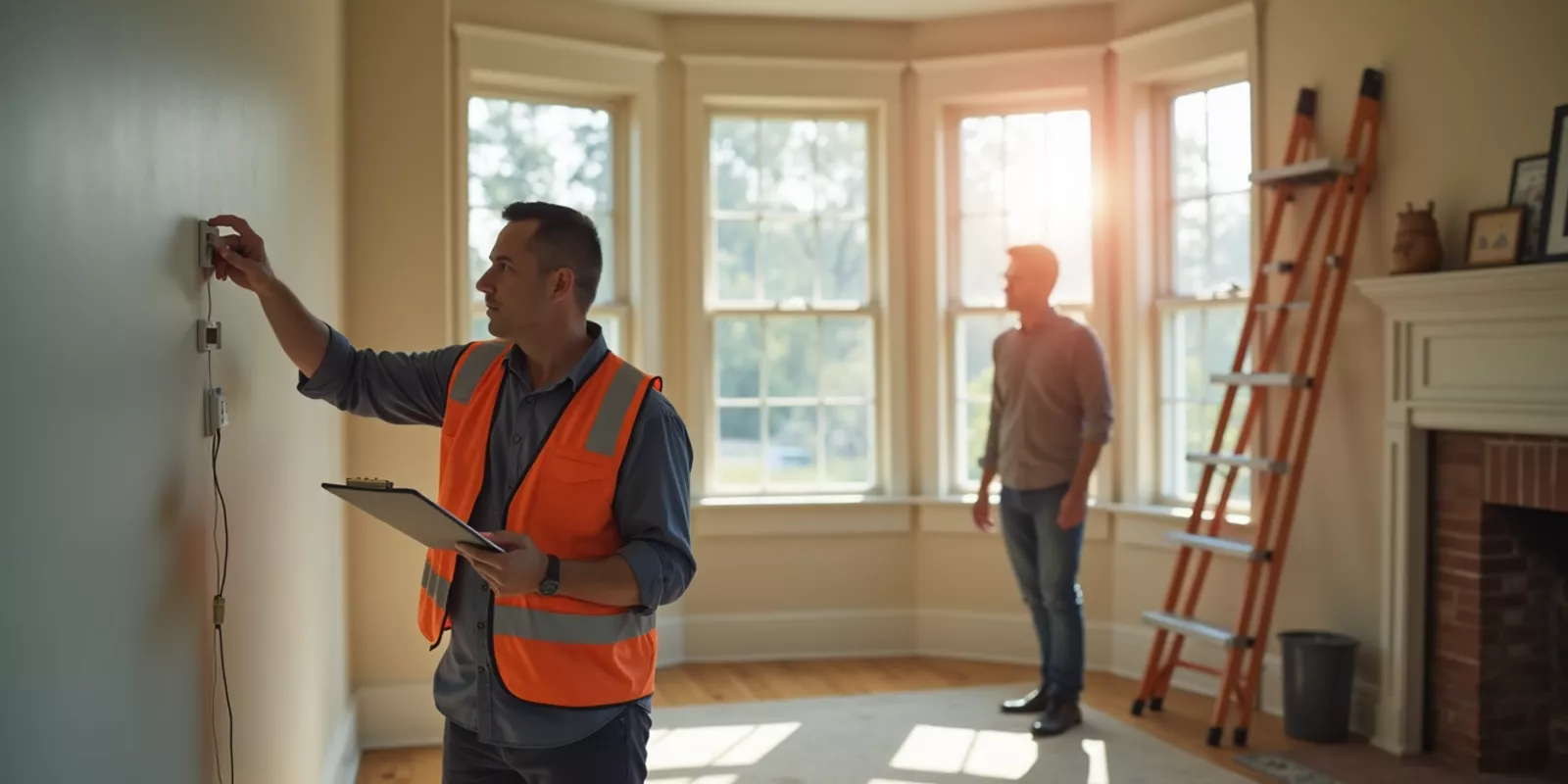
Understanding the inspection timeline and process is crucial for anyone buying or selling a home. Inspections can uncover hidden issues, impacting negotiations and future maintenance. In this article, I'll break down the inspection timeline, highlight common findings, and discuss negotiation options and next steps based on my experiences.
The inspection process usually begins after an offer is accepted. Typically, buyers have about 7 to 10 days to conduct inspections. This timeline can vary depending on local market conditions and agreements made during negotiations.
The first step is choosing a qualified inspector. They will assess the property for structural integrity, safety issues, and compliance with local building codes. After the inspection, the inspector provides a report, often within a few days. This report details any findings, from minor repairs to major concerns.
When I helped a first-time homebuyer last year, we scheduled an inspection right after the offer was accepted. The inspector found outdated electrical wiring that posed safety hazards. This finding was significant enough to reopen negotiations.
Don't skip the inspection—it could save you thousands in unexpected repairs!
During home inspections, certain issues tend to appear frequently. Here are some of the most common findings:
An investor I worked with purchased a distressed property intending to flip it. The inspection revealed serious mold issues in the attic, requiring extensive remediation. This finding affected the investment strategy significantly as it pushed back renovation timelines.
If you find something major during your inspection, don’t panic! There are options available.
Once you receive the inspection report, it's time to consider your options:
A seller I assisted faced an inspection report revealing significant plumbing issues. Instead of fixing everything before listing, they chose to disclose these problems upfront and reduced their asking price accordingly. This approach attracted buyers looking for investment opportunities rather than move-in ready homes.
Your approach should match your circumstances—don’t hesitate to get creative in negotiations!
After negotiations conclude successfully, here are your next steps:
An average home inspection lasts about two to four hours, depending on the size of the property and its condition.
Yes! It's beneficial for buyers to attend so they can ask questions and understand any findings firsthand.
If major issues are discovered, you can negotiate repairs or adjustments in pricing based on those findings.
A home warranty is not required but can provide peace of mind against unexpected repairs post-purchase.
If you're not satisfied with the report's findings or quality, you may seek a second opinion from another inspector.
As an experienced professional in real estate inspections, I’ve guided numerous clients through this complex process. My goal is always to ensure that my clients feel informed and confident in their decisions. If you have questions or need assistance navigating your own real estate journey, please feel free to reach out!

¡Bienvenido! Como agente inmobiliario, mi compromiso es brindar un servicio excepcional a mis clientes. Con experiencia en ayudar a encontrar hogares de ensueño y vender propiedades eficientemente, me baso en la transparencia, honestidad y en superar expectativas en cada transacción.
Estoy aquí para guiarle en todo el proceso de compra, venta o alquiler, proporcionando asesoramiento experto y personalizado. Sea cual sea su objetivo, puedo ayudarle a tomar decisiones informadas y alcanzar el éxito en sus transacciones inmobiliarias.
Essential Guide to Moving to Miami
Moving to Miami can be an exciting yet challenging experience. This guide offers practical insights into the city's culture, cost of living, housing options, and real-life case studies to help ease your transition and make informed decisions during your relocation.
Family-Friendly Weekend Activities in Miami
Miami is a family-friendly destination filled with weekend activities. From beach days at South Beach to exploring Zoo Miami and the Everglades, there are plenty of options for all ages. Engaging museums and local parks also provide great bonding opportunities.
Navigating the Home-Buying Process Step by Step
This article guides you through the home-buying process, from pre-approval to closing. It includes practical insights and real-life case studies of buyers like John, Linda, and Sam, showcasing the steps and challenges in securing a new home effectively.