Navigating Miami Real Estate: Trends and Timing
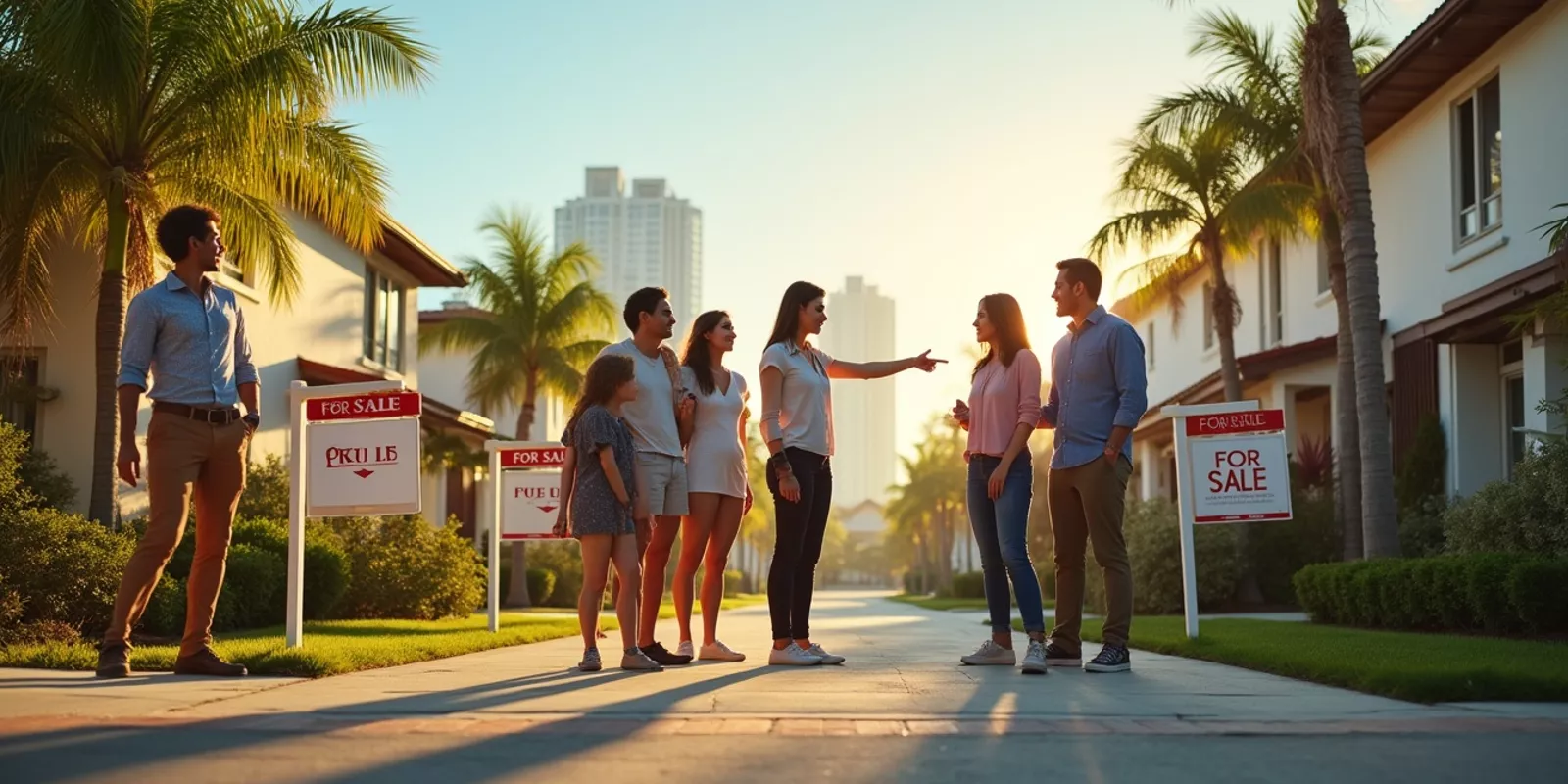
Understanding the Miami real estate market is crucial for sellers and buyers alike. This article explores inventory, demand, pricing trends, and how timing can vary based on individual seller goals. In a city as dynamic as Miami, being informed can make a significant difference in achieving your real estate objectives.
The inventory of homes in Miami has fluctuated over the past few years. As of early 2023, there were approximately 18,000 active listings, a noticeable increase from previous years. This uptick is largely due to new constructions and an influx of homeowners looking to capitalize on rising prices.
While an increased inventory may seem beneficial for buyers, it has also led to greater competition among sellers. Homes that are well-priced and staged often sell quickly, while those that are not may linger on the market longer. Keeping an eye on neighborhood-specific trends is essential for understanding where your property stands.
Demand in Miami’s real estate market is driven by several factors. The city’s appeal includes its vibrant culture, strong job market, and favorable tax environment. The tech sector is growing, attracting young professionals who seek urban living.
Miami typically sees higher demand during winter months when many visitors turn into potential buyers. This seasonal influx creates a competitive atmosphere, making it crucial for sellers to time their listings effectively.
International buyers continue to show interest in Miami properties. With favorable exchange rates and ongoing political uncertainties in other countries, foreign investment can significantly impact demand levels.
Pricing trends in Miami reveal a complex landscape. In recent years, home prices have risen steadily. According to the National Association of Realtors, the median price for single-family homes reached around $450,000 in early 2023, up from $410,000 the previous year.
Sellers should be prepared for the possibility of making price adjustments if their property doesn’t attract offers quickly. In this market, overpricing can lead to stagnation, while strategic pricing can create urgency among buyers.
Different neighborhoods experience varied pricing trends. For instance, areas like Wynwood and Brickell often see higher prices due to their popularity and amenities compared to neighborhoods further inland.
The timing of a sale often hinges on individual seller goals. For some, maximizing profit is the priority; for others, quick sales may be more important due to life changes such as job relocation or family matters.
Sellers with long-term goals might choose to wait for peak market conditions before listing their properties. In contrast, those needing immediate cash flow might opt for a quicker sale at a potentially lower price point.
Staying informed about market conditions can help sellers make better decisions regarding timing. Collaborating with a local real estate expert can provide valuable insights tailored to individual situations.
A first-time seller in Coral Gables priced their home at $485,000 based on neighbor sales data. After two months without offers, they adjusted the price to $455,000. Within weeks, they received multiple offers and closed above asking price due to competitive bidding.
An investor purchased a condo in downtown Miami with plans to flip it quickly. After listing it at $600,000 without adequate staging or marketing support, interest waned. A re-listing with improved visuals and a focus on local amenities led to a successful sale at $575,000.
A family relocating to Atlanta needed to sell their Miami home swiftly due to job transfers. They accepted an offer below their desired price after only three weeks on the market but prioritized speed over profit due to their time constraints.
I’d love to help you navigate your selling journey in Miami—let’s connect!
If you have questions about pricing or timing specific to your situation, don’t hesitate to reach out!
Your goals are unique—let’s work together to achieve them!
The average time on the market can range from a few weeks to several months depending on location and pricing strategies.
Consulting with a local real estate agent who understands current market trends is advisable for setting an appropriate price.
Selling during peak season often yields better results due to higher buyer activity but depends on your personal circumstances.
Simple upgrades like fresh paint or landscaping improvements can enhance curb appeal without breaking the bank.
Foreign investment can drive up demand and subsequently prices in sought-after neighborhoods of Miami.
As an expert in Miami's real estate landscape, I understand these dynamics deeply. If you're considering selling or buying property here, feel free to reach out at +1786-445-7436 for personalized advice tailored to your needs.

¡Bienvenido! Como agente inmobiliario, mi compromiso es brindar un servicio excepcional a mis clientes. Con experiencia en ayudar a encontrar hogares de ensueño y vender propiedades eficientemente, me baso en la transparencia, honestidad y en superar expectativas en cada transacción.
Estoy aquí para guiarle en todo el proceso de compra, venta o alquiler, proporcionando asesoramiento experto y personalizado. Sea cual sea su objetivo, puedo ayudarle a tomar decisiones informadas y alcanzar el éxito en sus transacciones inmobiliarias.
Navigating Home Sales and Purchases Simultaneously
Selling and buying a home simultaneously can be challenging, but with careful planning and strategies, it becomes manageable. This article explores effective timelines, case studies of clients who navigated the process successfully, and answers to common questions.
Mastering Competitive Pricing in Real Estate
Understanding pricing strategy in real estate is essential for attracting buyers and maximizing profits. This article explores the balance between competitive pricing and the risks of overpricing, highlighting case studies that demonstrate effective pricing techniques.
Maximizing Home Resale Value Through Smart Upgrades
When renovating your home, it's crucial to know which upgrades enhance resale value and which don't. This article explores high-impact renovations like kitchen remodels and bathroom additions, as well as low-impact options that might not attract buyers, helping you make informed decisions.